Dream Recorder
A physical device that captures spoken dreams and transforms them into AI-generated video visualizations — built from a Raspberry Pi, touch screen, and open-source plans
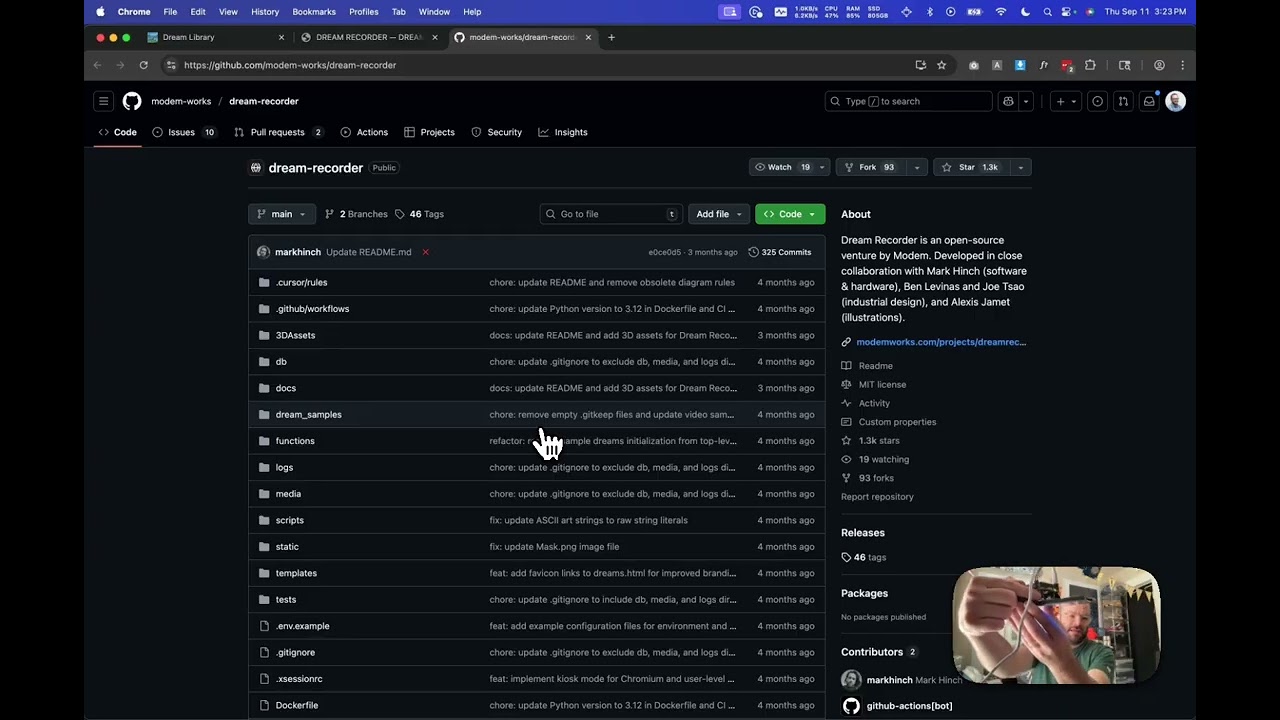
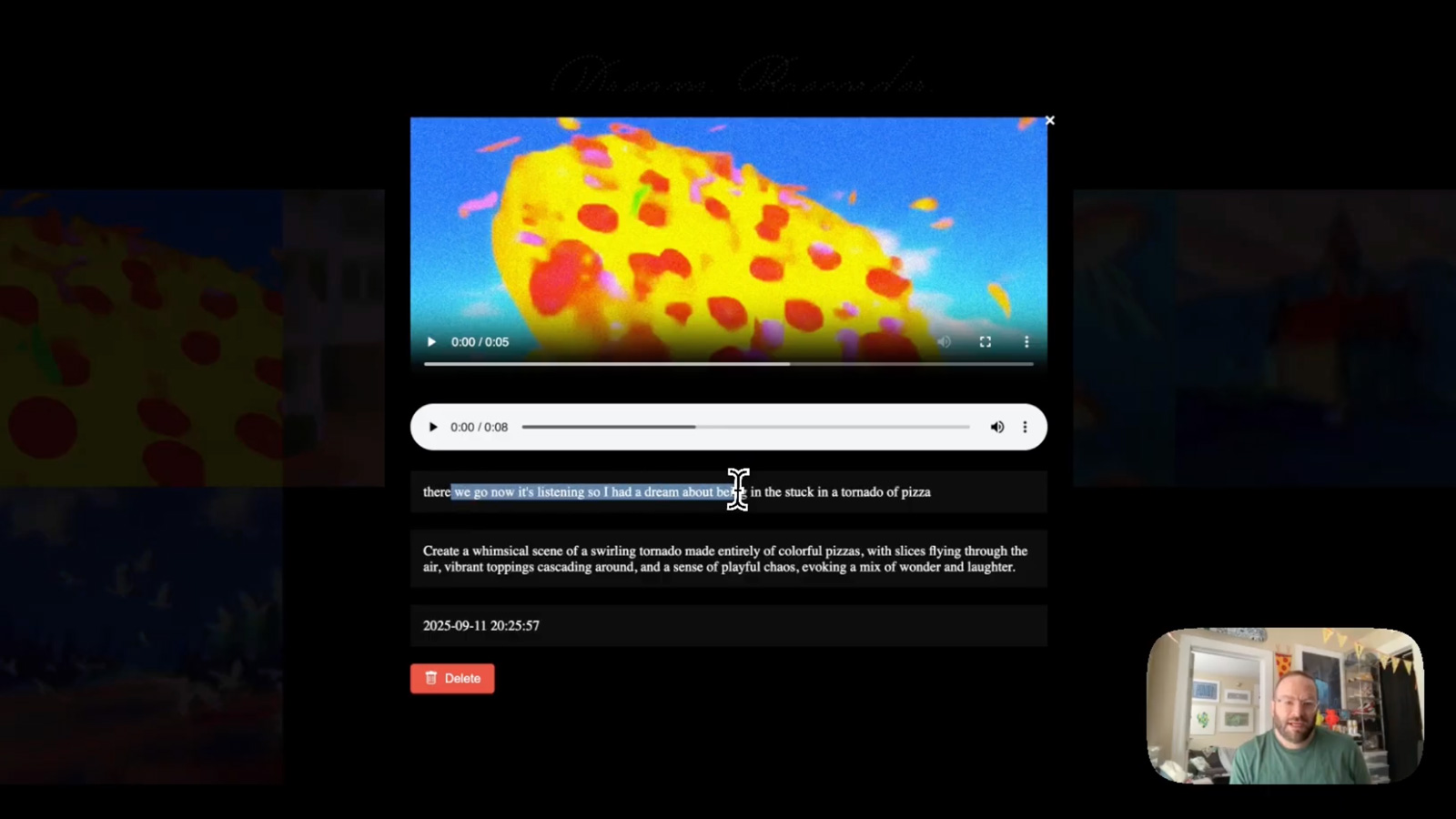
This is probably the most fun I’ve had with a project in a long time. I built a physical dream recorder — an actual device you keep by your bed that you speak your dream into when you wake up. The hardware stack is a Raspberry Pi, a small touch screen, a USB microphone, a fan for cooling, and a touch sensor to trigger recording. You tap it, describe your dream out loud, and the device takes it from there: your speech gets transcribed, ChatGPT interprets and enriches the narrative, and then Luma Labs generates a video visualization of the dream in the illustrative style of a trained artist. The whole thing runs about five to ten cents per dream.
The build
The device is based on open-source plans, which gave me a solid starting point for the electronics and software. Where I’ve been spending most of my time is on the physical enclosure — I’m 3D printing custom shells and experimenting with different material transparencies to get the right feel. There’s something important about the object itself feeling a little bit magical, a little bit precious. If it just looked like a bare circuit board on your nightstand, the experience would fall flat. The physical design is as much a part of the project as the code running on it.
The brand implication
Here’s where my brain goes with this: forget dreams for a second and think about the interaction pattern. Someone speaks into a device, and moments later they receive a completely personalized, one-of-a-kind visual artifact generated just for them. That’s magic. Now imagine that interaction in a brand context — a retail experience where you describe what you’re looking for and get a visual mood board back, a conference activation where attendees speak a memory and receive an illustrated postcard, a product launch where every customer gets a unique piece of generative art tied to their story. The dream recorder is a prototype for a much bigger idea about personalized, generative brand experiences, and the economics already work at scale.
- Role
- Creative Technologist
- Tools
- Raspberry Pi ChatGPT API Luma Labs 3D Printing Hardware
- Metrics
- Each dream visualization costs roughly 5-10 cents to generate